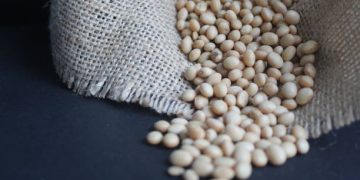






Indonesia is strengthening its food and agricultural sector through continued cooperation in the soybean trade, marking 45 years of partnership with suppliers from the United States. The relationship has supported the country’s food, animal feed, and aquaculture industries while contributing to reliable access to soybean products.
Soybeans remain an important part of Indonesia’s food system, particularly for traditional products such as tempe and tofu. Demand has also expanded across Sumatra, Kalimantan, and Sulawesi, creating broader opportunities for agricultural trade and distribution.
The country’s growing livestock and aquaculture industries are further increasing demand for soybean meal and other protein ingredients. Annual soybean meal imports are estimated at around 6 million metric tons, with demand projected to increase by 29% by 2035. Soy use in aquaculture feed is also expected to rise by 71% over the same period.
Technical cooperation between agricultural organizations and industry stakeholders is supporting improvements across the soybean value chain. Knowledge sharing, market development, responsible sourcing, and stronger connections between producers, processors, and customers are helping strengthen the wider food and feed network.
Sustainability and traceability are also becoming increasingly important in agricultural sourcing. Verified sustainability programs are supporting responsible procurement practices and helping strengthen supply resilience while meeting the evolving needs of Indonesia’s food and feed industries.
As demand continues to grow, ongoing collaboration and technical exchange are expected to support reliable agricultural networks, strengthen food security, and create new opportunities across Indonesia’s food, livestock, and aquaculture sectors.
#SupplyChain #Agriculture #FoodTrade #SustainableTrade #SupplyChainSustainability #IndonesiaTrade #GlobalTrade #FoodSecurity