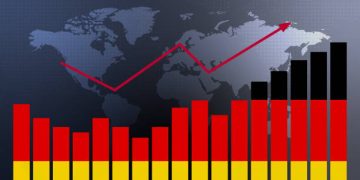






Germany’s economy delivered stronger-than-expected growth in the second quarter of 2026, highlighting the resilience of Europe’s largest economy despite higher energy prices and continued geopolitical uncertainty.
Economic output expanded 0.2% during the quarter, exceeding market expectations and reflecting steady activity across manufacturing, trade, and industrial sectors. The positive performance demonstrates the ability of businesses and supply chains to adapt to evolving global market conditions.
While inflation increased in July, largely driven by higher energy costs, core inflation eased slightly, indicating that underlying price pressures remain relatively stable. The results suggest that Germany’s economy continues to benefit from resilient domestic activity and ongoing improvements in industrial production and logistics.
Across the eurozone, economic growth in several major economies further reinforces the strength of regional supply chains and cross-border trade networks. Continued investments in manufacturing, transportation, and logistics infrastructure are helping businesses maintain operational efficiency while adapting to changing energy and trade dynamics.
The latest economic data underscores the importance of resilient supply chains, diversified sourcing strategies, and efficient logistics networks in supporting sustainable growth and long-term economic stability across Europe.
#SupplyChain #Germany #Europe #Logistics #Manufacturing #GlobalTrade #Economy #Transportation #SupplyChainResilience #SupplyChainNews