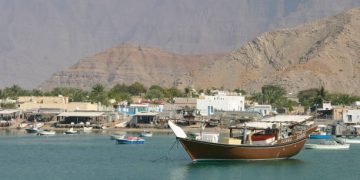






A new port development is being planned on the eastern coast of the United Arab Emirates to strengthen regional supply chains by providing an alternative maritime gateway that bypasses the Strait of Hormuz, one of the world’s most critical shipping routes.
The proposed project includes the construction of a multipurpose port and a container terminal along the Gulf of Oman, creating an additional logistics corridor for cargo entering and leaving the UAE. The alternative route would enable shipments to avoid the Strait of Hormuz before being transported by road to major commercial and distribution centers across the UAE and neighboring Gulf countries.
The initiative is part of broader efforts to diversify logistics infrastructure and reduce dependence on a single maritime chokepoint, as regional geopolitical tensions continue to pose risks to international trade and freight movement. Strengthening alternative logistics corridors is expected to improve supply chain resilience and ensure greater continuity of cargo flows during periods of disruption.
Discussions on the project are ongoing, with development and financing arrangements still under review. If approved, the new facilities could be completed within approximately 18 months, adding new capacity to support regional trade and future supply chain growth.
The proposal follows recent disruptions affecting vessel traffic through the Strait of Hormuz, where heightened tensions have impacted shipping activity and highlighted the vulnerability of global supply chains that rely heavily on the waterway. The planned infrastructure is intended to provide greater operational flexibility by offering an additional route for cargo movement during emergencies or periods of instability.
The new port is expected to complement, rather than replace, the country’s existing logistics infrastructure by expanding freight capacity and improving network redundancy. The development is also anticipated to strengthen regional connectivity, support more efficient cargo distribution, and enhance the resilience of supply chains serving the Middle East and international markets.
As businesses continue to navigate evolving geopolitical risks, investments in diversified port infrastructure and alternative trade corridors are becoming increasingly important to maintaining reliable supply chains, reducing transportation risks, and supporting long-term trade growth.
#SupplyChain #Logistics #GlobalTrade #PortOperations #MaritimeLogistics #SupplyChainResilience #Freight #Transportation #Infrastructure #Shipping #TradeRoutes #MiddleEastLogistics #Cargo #RegionalTrade #SupplyChainDiversification