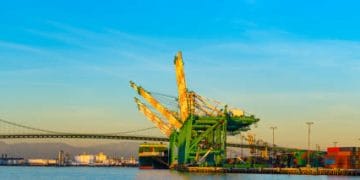






Supply chain resilience continues to support strong cargo movement despite ongoing trade uncertainty, as one of the United States’ busiest container gateways recorded its third-highest June throughput on record. The port handled approximately 779,000 twenty-foot equivalent units (TEUs) during the month, representing a 10.6% increase from the same period last year and marking a second consecutive month of year-over-year growth. Total cargo volume for the first half of the year has now exceeded 4.8 million TEUs, remaining ahead of last year’s record pace.
The growth reflects how supply chains are adapting to evolving trade policies and geopolitical risks by accelerating shipments and diversifying inventory strategies. Import volumes posted double-digit gains as businesses moved cargo ahead of potential tariff changes, while exports saw a slight decline. At the same time, the movement of empty containers increased as shipping lines repositioned equipment to improve terminal capacity and accommodate higher inbound freight volumes.
The traditional peak shipping season has also continued to evolve, with importers increasingly distributing shipments throughout the year rather than relying on a concentrated holiday shipping period. Seasonal merchandise that typically arrives during the final quarter has been entering supply chains months earlier, allowing retailers and manufacturers to reduce exposure to policy uncertainty while maintaining inventory availability.
Beyond consumer products, the port has experienced sustained demand for technology infrastructure equipment, reflecting continued investment in digital infrastructure and the growing importance of technology-related supply chains.
Rising cargo volumes have also increased demand for intermodal transportation, with a significant share of containers moving inland by rail. Although the surge has placed additional pressure on rail operations, close coordination among logistics stakeholders has helped maintain cargo flow and minimize congestion, reinforcing the importance of integrated transportation networks within modern supply chains.
Meanwhile, global trade continues to face challenges from shifting trade policies, geopolitical tensions, and volatile energy markets, all of which have increased the need for flexible and resilient supply chain strategies. Businesses are responding by strengthening contingency planning, diversifying sourcing locations, and improving logistics coordination to better manage future disruptions.
At the same time, continued investments in digital cargo visibility, cybersecurity, rail infrastructure, and sustainable freight technologies are enhancing supply chain efficiency and operational resilience. These infrastructure improvements are expected to support long-term freight growth while helping logistics networks become more transparent, reliable, and environmentally sustainable.
#SupplyChain #Logistics #GlobalTrade #Freight #PortOperations #Intermodal #Transportation #SupplyChainResilience #Shipping #Infrastructure #DigitalSupplyChain #Cargo #Trade #Sustainability


