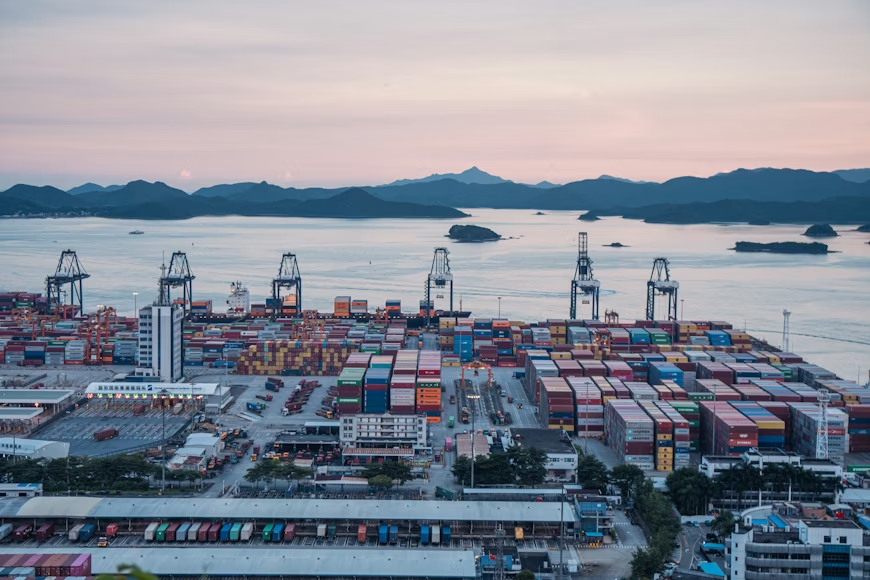







Maritime congestion around China’s busiest seaports has intensified in recent weeks, with a growing number of vessels waiting to berth and unload cargo. Analysts say the buildup is affecting shipping schedules and creating broader ripple effects for global logistics networks.
Data from industry tracking sources show that waiting times for commodity vessels approaching key Chinese ports have climbed to their highest levels this year, reflecting strained operations amid shifting trade patterns and regulatory measures. Some carriers report delays in securing berthing slots, contributing to vessel queues that stretch farther offshore.
Supply chain experts attribute the congestion to several converging factors, including surges in export volumes ahead of regulatory deadlines, ongoing adjustments to shipping routes and lingering operational disruptions from weather and infrastructure constraints. Heavy fog and temporary port closures have also been reported to slow down cargo handling in major hubs.
The port bottlenecks carry implications beyond China’s borders. Delays at these key gateways are likely to impact transit times on trans‑Pacific and intra‑Asia trade lanes, tighten vessel and equipment availability, and feed into broader concerns about schedule reliability for importers and exporters.
Shipping lines and logistics providers are monitoring the situation closely, adjusting capacity deployment where possible to maintain service continuity. However, analysts warn that without improvements in port fluidity, elevated waiting times could persist into the coming months, adding complexity to supply chain planning during peak freight periods.
#Breakingnews #SupplyChainNews #MaritimeUpdate #PortCongestion #GlobalLogisticsNews