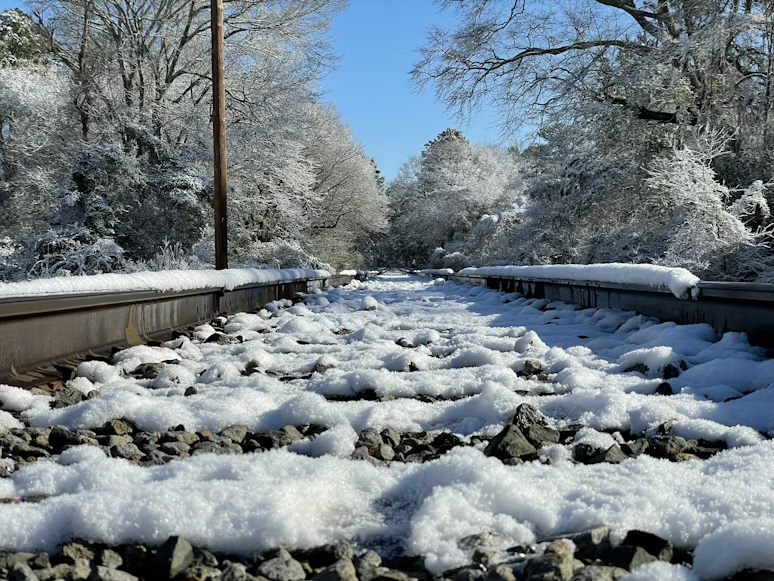







Rail operators and logistics managers are preparing for a major winter storm expected to batter wide swaths of the south‑central and eastern United States, prompting heightened concern about potential disruptions to rail freight movement and broader supply chain continuity.
Meteorological forecasts indicate a potent combination of snow, sleet, freezing rain and ice could impact more than 30 states, from the Southern Plains through the Mid‑South and into the Northeast. Heavy ice and accumulated snow are expected to challenge rail infrastructure — including tracks, switches and signaling systems — and could force speed restrictions, service delays or temporary shutdowns of key freight corridors.
Industry analysts warn that severe winter weather can have cascading effects across multimodal logistics networks. Ice on tracks and frozen switches may slow or halt train movements, while extreme conditions can also hinder truck traffic, barge navigation and port operations that connect with rail intermodal hubs. This increases the risk of bottlenecks, longer transit times, and higher logistics costs for shippers and freight forwarders.
Historical data and operational reports show rail carriers adjust operations during severe weather to prioritise safety, including reducing train lengths and speeds, and deploying resources for snow and ice removal. However, even with planning and mitigation measures, capacity and reliability can be significantly reduced when extreme conditions prevail.
Supply chain professionals emphasise the importance of proactive risk management, including diversifying routing options, increasing communication with carriers, and building flexibility into delivery schedules, to reduce exposure to weather‑related disruptions. Given the seasonal timing and the interconnected nature of freight networks, weather‑driven volatility remains a persistent risk for logistics planning.
#Breakingnews #SupplyChainNews #RailLogistics #WeatherImpact #LogisticsUpdate