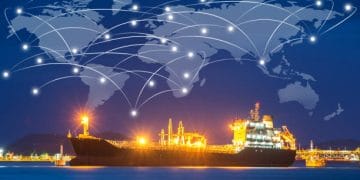







Global chemical supply chains are moving toward more integrated logistics management as manufacturers seek greater shipment visibility, faster disruption response and more reliable customer service across international markets.
A chemical manufacturer operating across the United States, Canada, Mexico and Europe is consolidating its transportation operations into a single coordinated network covering road, rail and ocean freight. This approach can improve communication between facilities, carriers and customers while helping logistics teams identify potential delays earlier.
Chemical transportation requires specialised equipment, careful handling and accurate documentation. By connecting these activities through technology and data-driven planning, manufacturers can gain clearer insights into shipment movements, adjust transport arrangements more efficiently and improve delivery predictability.
Integrated transportation management can also support more efficient route planning, stronger carrier performance monitoring and better coordination across different transport modes. These improvements may help reduce unnecessary transport activity and contribute to lower logistics-related emissions.
As global trade networks become more complex, unified logistics systems and real-time shipment visibility are becoming valuable tools for building resilient chemical supply chains. Continued investment in data integration and proactive planning can help manufacturers maintain reliable operations while meeting evolving customer and sustainability expectations.
#SupplyChain #ChemicalLogistics #GlobalTrade #FreightManagement #DigitalLogistics #SupplyChainVisibility #Transportation #Sustainability #SupplyChainResilience