





The United States and China have agreed a preliminary trade deal aimed at reducing economic friction between the world’s two largest trading partners, with potential benefits for global supply chains and logistics networks that have been strained by tariffs and export restrictions.
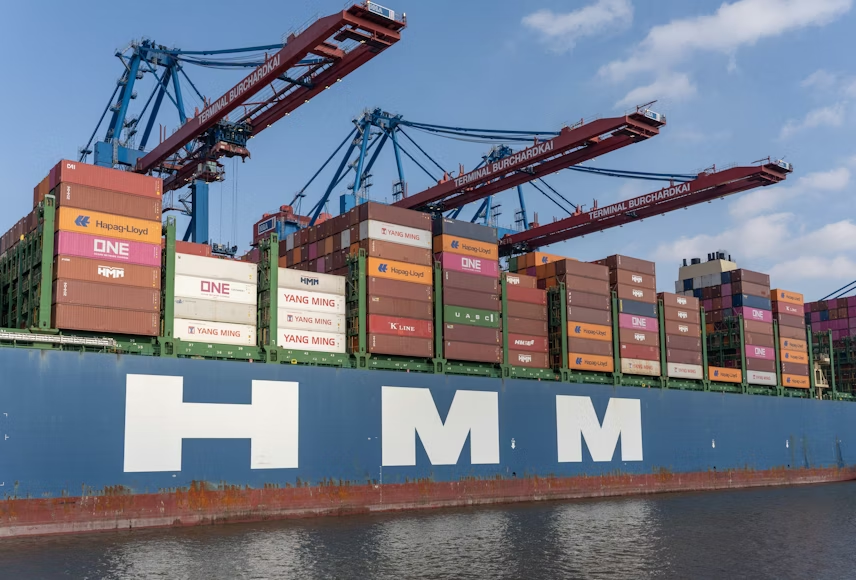
The agreement — reached following high‑level talks between U.S. and Chinese officials in late 2025 — includes a one‑year suspension of port fees on vessels from both countries, which is expected to reduce operating costs for carriers and shippers engaged in trans‑Pacific trade.
In addition, both sides signalled a temporary easing of tariffs and export controls that had previously heightened costs and complexity for logistics planners and importers. China has agreed to pause certain export restrictions on rare earth elements and critical minerals that are key to manufacturing supply chains, while the U.S. plans to roll back or pause select duty increases on Chinese imports and extend some tariff exclusions into 2026.
Trade analysts say the deal reflects a broader de‑escalation of the recent U.S.–China trade conflict, offering a window of more predictable conditions for freight movements and cross‑border commerce — at least in the short term. By easing cost pressures tied to port fees, reciprocal tariffs and export limitations, companies that move goods across the Pacific may find some relief in planning and operations.
However, observers note that while the agreement pauses key contentious measures, long‑term structural challenges and tariff issues remain unresolved, meaning that uncertainty in logistics and sourcing decisions could persist until more comprehensive arrangements are finalised.
#BreakingNews #SupplyChainNews #TradeUpdate #USChinaDeal #LogisticsImpact


