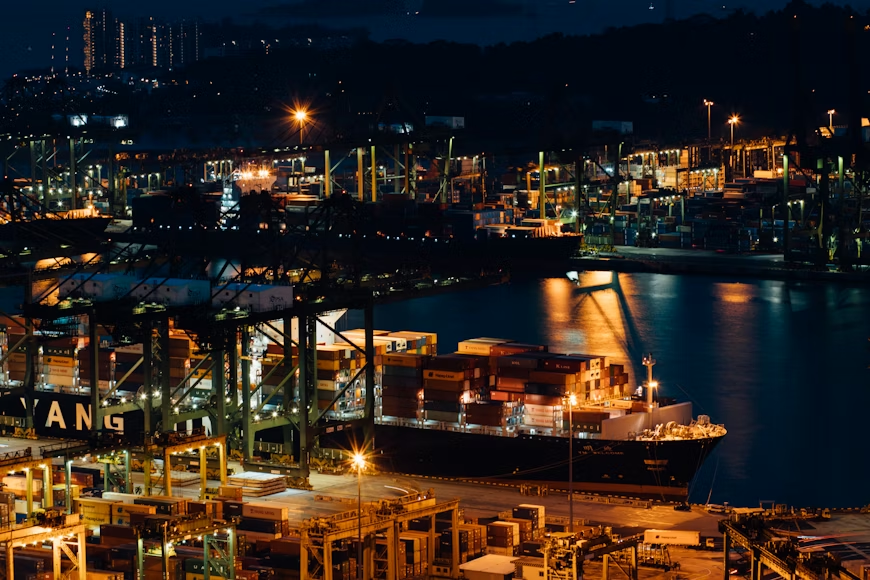






The Port of Los Angeles reported a drop in container volumes in September 2025, with total throughput declining compared with the same month a year earlier. The slowdown in cargo activity reflects softer import demand and broader trade shifts that are affecting West Coast port operations.
According to official statistics from the port’s container tracking, the total number of loaded and empty boxes handled in September was around 883,053 twenty‑foot equivalent units (TEUs), down about 7.5 % year‑over‑year. The decrease included a drop in loaded imports, even as exports showed modest resilience, highlighting uneven freight flows at one of the nation’s largest gateways.
Industry analysts and port officials note that recent trade policy pressures and tariff‑driven booking behaviour have influenced import patterns, with shippers adjusting ordering schedules in response to tariff announcements earlier in the year. These dynamics contributed to early‑season volume surges but have also led to softer activity in later months.
Despite the September decline, third‑quarter data show the port still managed record quarterly cargo levels, helping sustain overall throughput momentum through much of 2025. This performance underscores the complex interplay between trade policy shifts, carrier capacity planning, and seasonal booking trends that continue to shape container movements on the U.S. West Coast.
Looking ahead, supply chain stakeholders say that freight planners and carriers will be watching quarterly and year‑end volume reports closely to gauge whether trade flows rebound in the final months of the year, especially as tariff landscapes stabilize and peak shipping periods approach.
#Breakingnews #SupplyChainNews #