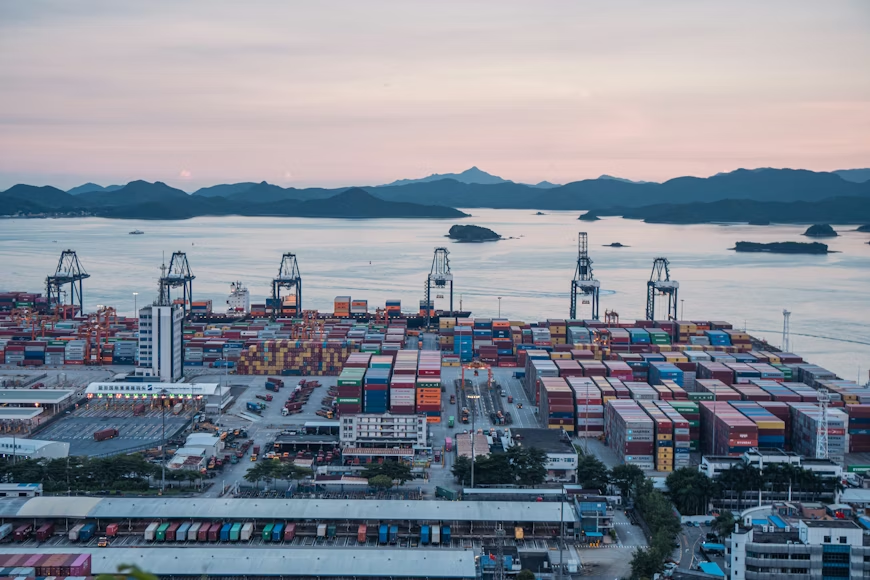






A potential resumption of vessel traffic through the Red Sea and Suez Canal in 2026 could have significant knock‑on effects for European supply chains, according to industry analysts. After more than two years of rerouting ships around southern Africa due to regional security threats, improved conditions have encouraged carriers to cautiously test the trans‑Suez route, signaling a possible structural shift in maritime logistics that will affect cargo volumes, port operations and inventory flows.
The return of direct Red Sea transits is expected to shorten voyage times between Asia and Europe, offering fuel savings and reduced transit costs compared with the extended detours around the Cape of Good Hope. However, logistics planners warn that a rapid shift back to the shorter route could also compress vessel arrival patterns at European ports, potentially triggering congestion and higher workloads for terminal infrastructure. Modelling suggests that even a phased return could push weekly port handling activity above previous record levels, adding stress to yards, cranes and hinterland links already dealing with busy peak periods.
European importers may also face inventory management challenges. If liners continue to converge arrivals due to mixed routing strategies or seasonal demand spikes—such as the Chinese New Year freight surge—supply chain planners could see compressed delivery windows, higher warehouse utilisation and equipment imbalances. This could alter ordering patterns and increase costs for storage and inland transportation as companies work to absorb the impact of sudden volume shifts.
At the same time, carriers are expected to manage the transition carefully. A full, immediate switch back to the Suez route remains dependent on continued regional stability and favorable insurance conditions, with many shipping lines signalling cautious, staged reintroduction of transits to avoid the operational disruptions experienced during the initial crisis period.
Overall, the evolving situation illustrates how changes in major maritime chokepoints can reshape logistics networks far beyond the region itself, affecting scheduling reliability, freight costs and supply chain strategy for European importers and carriers alike in 2026.
#Breakingnews #SupplyChainNews #MaritimeUpdate #RedSeaReturn #EuropeLogisticsNews