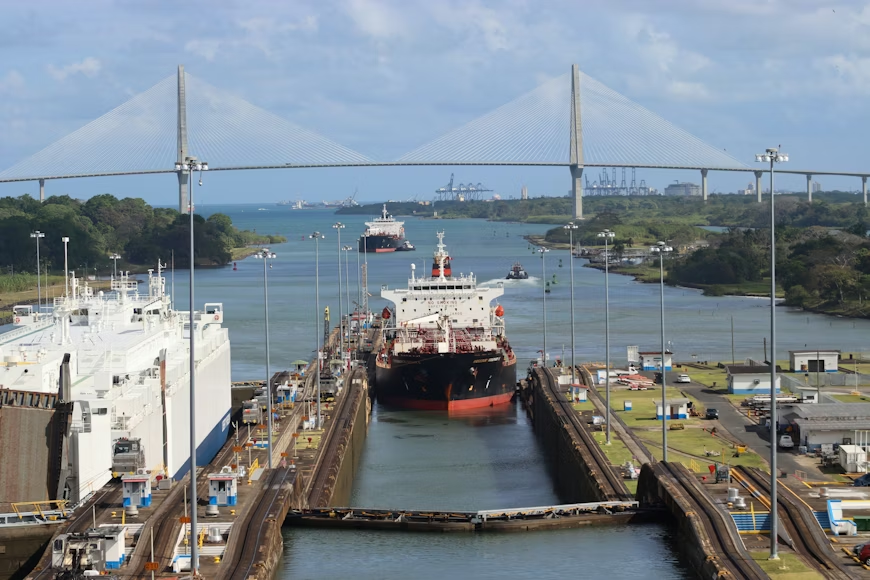





Australia is confronting a complex strategic and diplomatic challenge as it pursues plans to reacquire the northern Port of Darwin from Chinese company Landbridge Group, while simultaneously managing its relationship with China — its largest trading partner — and balancing geopolitical sensitivities. The dilemma has been framed internally by Australian leaders and external analysts as an effort to avoid a repeat of the controversy that erupted over the Panama Canal port deal earlier in 2025.
The Panama‑related dispute involved a planned sale of ports at either end of the Panama Canal by a Hong Kong conglomerate to a U.S.‑led consortium, which sparked high‑profile diplomatic tensions between Washington and Beijing and highlighted how major port control issues can rapidly escalate into broader geopolitical flashpoints. China had expressed strong objections to how the transaction was handled, underscoring the sensitivities associated with strategic port assets.
Australia’s government, led by Prime Minister Anthony Albanese, has pledged to secure Darwin — a critical logistics and freight gateway near South‑East Asia — under Australian control, citing national interest and sovereign concerns. However, Canberra is keen to structure any transaction on commercial terms rather than political or nationalisation grounds, in part to avoid angering Beijing and triggering a broader clash similar to the Panama port situation.
China has already warned Australian policymakers about the potential implications of revoking or altering the long‑term lease, urging that the original 99‑year agreement be respected and treated fairly, and flagging risks to broader bilateral economic cooperation if Australia appears to single out Chinese investment.
The balancing act illustrates the intersection of logistics infrastructure, foreign investment policy and geopolitical strategy, where decisions about port ownership and control — far from being purely economic — have outsized impacts on diplomatic relations and global supply chain security. Canberra’s approach aims to retain strong trade ties with China while responding to domestic political pressures and alliance considerations, mindful that a heavy‑handed intervention could reverberate through Asia‑Pacific economic and logistics networks.
#BreakingNews #SupplyChainNews #PortStrategy #AustraliaChinaRelations #LogisticsPolicy